
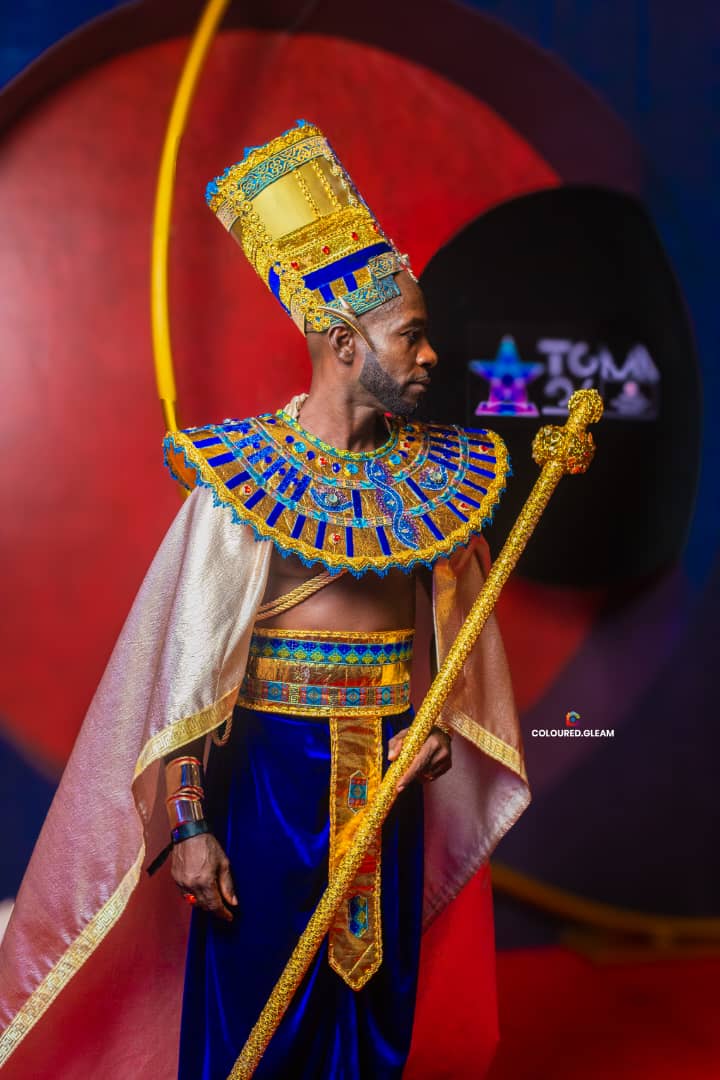
Okyeame Kwame Childbirth Comments Take Over Ghanaian Social Media
The Ghanaian entertainment scene is currently buzzing with intense discussions following some striking remarks made by legendary highlife and hiplife icon, Okyeame Kwame. Known widely as the Rap Doctor, the celebrated wordsmith has once again captured the public’s attention—not for a new musical project this time, but for deeply philosophical and personal views regarding motherhood and biology.
During a recent media engagement that has since gone viral across all major digital platforms, the artist confessed, “I wish to experience childbirth; I’m jealous of women.” These unexpected remarks immediately set off a firestorm of reactions, dividing social media users and entertainment pundits alike.
Analyzing the Rap Doctor’s Controversial Statement
The Okyeame Kwame childbirth comments have triggered a massive wave of commentary on X (formerly Twitter), Instagram, and Facebook. While a section of the public has lauded the veteran musician for expressing profound empathy and reverence for the female body and the miracle of procreation, others have questioned the practicality and philosophical weight of such a statement.
Entertainment critics and fans have flooded talk radio and digital spaces to dissect the exact context of the interview. Known for his intellectual approach to life and his art, Okyeame Kwame has never shied away from unconventional topics, often using his platform to spark deep societal introspection. However, this particular confession has hit a unique nerve, touching on themes of gender roles, biological envy, and the ultimate creative power of women.
What Industry Insiders Are Saying
As the debate continues to gain momentum, fellow celebrities, influencers, and cultural analysts are weighing in on the unfolding drama. Some argue that the artist’s comments highlight a profound appreciation for maternal sacrifice, while internet trolls have turned the quote into a trending meme.
Despite the polarized reactions, Okyeame Kwame remains unfazed by the digital whirlwind surrounding his name. As one of Ghana’s most respected cultural icons, his ability to keep the country talking proves that his influence stretches far beyond the recording booth.